
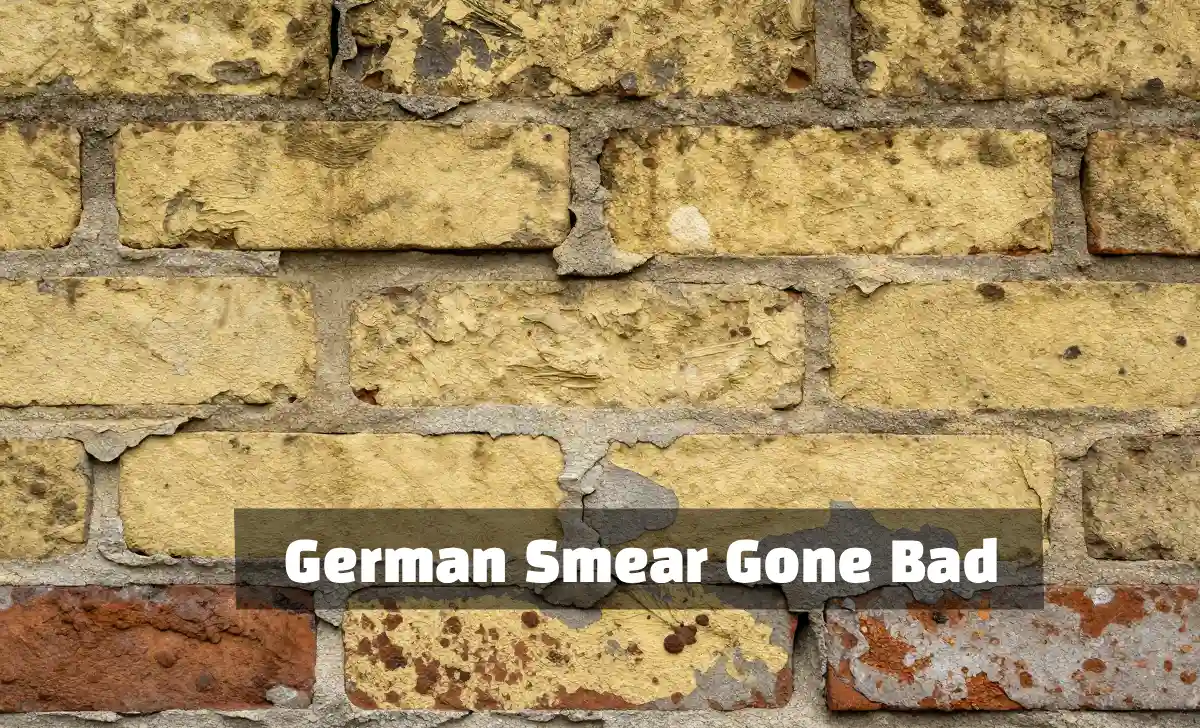
German smear gone bad happens when the mortar consistency is wrong, the bricks aren’t cleaned, or the application is rushed. Fix it by scraping damaged areas, cleaning surfaces, mixing 70% mortar with 30% water, and reapplying evenly. Seal afterward to prevent future issues.
What Is German Smear and Why Does It Fail?
German smear transforms plain brick into a rustic, textured surface by spreading mortar across bricks and wiping some away before it dries. This technique creates an old-world European look that many homeowners love.
But this technique doesn’t always go as planned. Many DIYers face disappointing results when their German smear gone bad, leaving them with cracked, yellowed, or uneven surfaces. Understanding why failures happen is the first step to fixing them.
The technique originated in Northern Germany, where builders used mortar to create weathered looks on cottage exteriors. Today, it works on both interior and exterior brick surfaces, from fireplaces to entire home facades. When done right, it lasts decades with minimal upkeep.
Common Signs Your German Smear Failed
Your project may have issues if you notice:
- Mortar cracking or falling off within days or weeks
- Yellow or brown discoloration appears after application
- Uneven thickness with some spots bare and others heavily coated
- Rough, chunky texture instead of smooth coverage
- Mortar not adhering to brick surfaces
These problems don’t fix themselves. They worsen over time, making repairs harder and more expensive.
Why German Smear Projects Go Wrong
Wrong Mortar Consistency
The most common mistake is mixing mortar incorrectly. Too much water creates a thin, weak mixture that won’t stick properly. Too little water produces thick, difficult-to-spread mortar that looks chunky and unnatural.
The ideal ratio is 70% mortar powder to 30% water, creating a peanut butter-like consistency. This balance ensures proper adhesion while remaining workable for 20-30 minutes.
Dirty or Unprepared Brick Surfaces
Applying mortar to dirty, dusty, or oily bricks causes immediate adhesion problems. The mortar bonds to the dirt layer, not the brick itself. This weak connection leads to peeling and crumbling within weeks.
Bricks absorb moisture quickly from the mortar. Without pre-wetting the surface, bricks pull water too fast, causing the mortar to dry unevenly and crack.
Rushed or Uneven Application
Impatience creates the worst results. Rushing through sections leads to inconsistent coverage, where some bricks are completely covered while others are barely touched. This creates a patchy, amateur appearance.
Working on large sections at once causes the mortar to dry before you can properly texture it. Small 3×3-foot sections work best, giving you control over the finish.
Skipping the Sealing Step
Many DIYers skip sealing after application, thinking the mortar is protected enough. Without a protective sealant, moisture penetrates the mortar, causing yellowing, staining, and premature deterioration.
Exterior applications need more sealing than interior projects. Weather, humidity, and temperature changes all damage unsealed German smear finishes.
Step-by-Step Fix for German Smear Gone Bad
Step 1: Assess the Damage
Walk through your space and identify problem areas. Note spots with:
- Cracking or loose mortar
- Discoloration (yellow, brown, or gray stains)
- Uneven application
- Missing mortar coverage
Take photos to track your progress and ensure you address every issue.
Step 2: Remove Failed Mortar
For areas with loose or damaged mortar, carefully scrape away the problem sections using a chisel or putty knife. Work gently to avoid damaging the underlying brick.
For stubborn mortar, create a 50/50 water-vinegar solution. Spray it on the mortar and let it sit for 10-15 minutes to soften before scraping. A wire brush removes remaining texture after scraping.
Step 3: Clean and Prep Brick Surfaces
This step prevents future failures. Use a pressure washer or stiff-bristle brush with soapy water to remove all dirt, dust, and residue from bricks. Pay special attention to mortar joints.
Let the brick dry completely for 24-48 hours before proceeding. For faster work, you can dampen (not soak) the clean bricks right before applying new mortar.
Step 4: Mix New Mortar Correctly
Use premixed white mortar to avoid ratio errors. Add water gradually while mixing with a drill attachment until you reach a peanut butter consistency.
Test the mixture on a spare brick or hidden area. It should spread smoothly without dripping and hold its texture when applied. Adjust water content as needed.
Step 5: Reapply Mortar Properly
Work in small sections of 3×3 or 4×4 feet. Use a trowel or putty knife to apply mortar to grout lines first, then smear across brick faces in horizontal, vertical, and X-pattern motions.
Vary your coverage intentionally. Some bricks should show through completely, others partially, and some can be fully covered for depth and texture. This creates the authentic rustic look.
Let each section set for 5-10 minutes before moving to the next. This prevents the mortar from drying too quickly while giving you time to adjust the texture.
Step 6: Seal Your Work
Wait 24-48 hours for mortar to fully cure. Temperature between 50-80°F with low humidity provides ideal curing conditions.
Apply a clear, matte masonry sealant using a paint roller or sprayer. This protects against moisture, prevents yellowing, and extends the life of your finish. Reapply sealant every 2-3 years for exterior applications.
Prevention Tips for Future Projects
Pre-wet your bricks before applying mortar. This slows drying time and improves adhesion. Spray bricks with water 10-15 minutes before starting each section.
Mix small batches of mortar. Working with 5-gallon bucket quantities prevents waste from premature drying. You can always mix more as needed.
Practice first on a hidden area or spare bricks. This helps you perfect your technique and test mortar consistency before tackling visible surfaces.
Choose the right weather for outdoor projects. Temperatures between 50-80°F with low humidity provide optimal conditions. Avoid direct sunlight, rain, or strong winds during application.
Use quality materials from reputable manufacturers. Cheap mortar mixes may lack proper additives for adhesion and durability.
When to Call a Professional
Some situations require expert help:
- Large exterior applications over 1,000 square feet
- Historical homes requiring special preservation techniques
- Structural damage to bricks needs repair before smearing
- Previous attempts that failed multiple times
Professional masons charge $1,500-$3,500 for whole-house applications but guarantee proper results. This investment may save money compared to repeated DIY failures.
How Long Should German Smear Last?
Properly applied German smear gone bad situations can be fully corrected to last 10-15 years with minimal maintenance. Sealed finishes in moderate climates may last even longer.
Exterior applications need occasional cleaning with a garden hose to remove dirt buildup. Interior fireplaces may need spot touch-ups every 5-7 years in high-use areas.
The permanence of mortar means you cannot easily reverse the technique once applied. This makes getting it right the first time crucial.
FAQs
Can you remove German smear completely?
Yes, but it requires significant effort. Use a chisel, a wire brush, and a water-vinegar solution to scrape mortar from bricks. Complete removal is time-consuming and may damage brick surfaces.
Does German smear work on painted brick?
No. Mortar only adheres to bare, unpainted brick. You must remove all paint before attempting this technique, which adds considerable time and cost to projects.
What causes yellow staining on German smear?
Yellow discoloration typically comes from iron content in water mixing with mortar, dirt trapped between brick and mortar, or tannins bleeding through from the brick itself.
How much does professional German smear cost?
Professional installation ranges from $2,500-$7,500 for whole homes, depending on size and location. DIY materials cost approximately $30 per 1,000 square feet.
Is German smear waterproof?
The mortar layer provides some moisture protection but isn’t waterproof. Applying a masonry sealant adds water resistance and protects against weather damage.
Conclusion
Fixing German smear gone bad requires patience, proper preparation, and attention to detail. By identifying the root causes of failure and following systematic repair steps, you can transform disappointing results into the beautiful rustic finish you envisioned. Remember that preparation and correct mortar consistency matter more than speed. Take your time, work in small sections, and seal your finished work for lasting results that enhance your home’s character for years to come.
