
 Benjamin
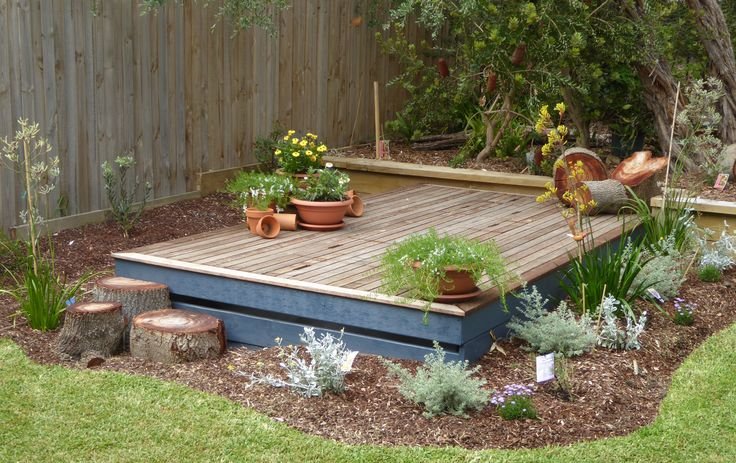
Have you ever noticed a strange lid or cover in someone’s yard and wondered what it’s for? Chances are it is covering and protecting their septic tank! While essential, septic tanks aren’t the most aesthetically appealing aspect of a property. That’s why having a suitable cover is so important – not just for functionality but also curb appeal.
In this comprehensive guide we will explore various septic tank cover ideas ranging from DIY solutions to decorative and professional options. You’ll learn the advantages of properly covering septic infrastructure and get inspiration for designing lovely, functional septic lids to enhance your outdoor space. Let’s dive in!
Why You Should Cover Your Septic Tank
Septic tank cover ideas serve important practical and aesthetic purposes. Leaving your septic components exposed poses safety issues, allows foul odors to emanate, and frankly looks unsightly. Quality covers can remedy all of these problems.
Specific benefits include:
- Preventing accidents and injuries from open holes
- Keeping harmful gases, smells, and vermin out of your yard
- Enhancing curb appeal for visitors and improving property value appearance
- Safeguarding septic infrastructure from environmental damage and debris
- Allowing easy access for routine pumping, cleaning, and maintenance
For functionality and beauty, enclosing your septic tank is a must. Now let’s explore options for septic tank cover ideas to find the best solution for your needs.
Do-It-Yourself Septic Cover Concepts
Looking to cover your septic infrastructure on a budget? Check out these creative DIY concepts you can tackle yourself:
Plant Some Greenery
One of the easiest septic tank cover ideas is to plant grass or create a garden over it. This disguises openings while allowing access.
- Pick plants suited for partial shade if direct sun exposure is limited
- Add mulch around garden plantings to boost moisture retention
- For grass, use sod or quick-growth seed blends that can withstand foot traffic
- If planting a tree, avoid septic location to prevent invasive, damaged roots
This living lid concept adds curb appeal and functionality affordably.
Build a Wood Cover
For simple septic coverage, construct a wooden cover secured with hinges. This offers security while allowing convenient hatch access when needed.
- Use weather-resistant woods like cedar that can handle outdoor elements
- Allow for vent holes to prevent gas buildup under the lid
- Attach handles or pulls for easy opening when maintenance is required
- Consider adding a latch to keep the wooden cover securely closed
With basic carpentry skills, these hatch-style lids are simple for DIY install.
Use Gravel or Decorative Rock
For easy cover septic tank ideas, cover openings with river rock, pebbles, or gravel. This camouflages infrastructure while enabling access.
- Pick bold-colored stones or aggregates for the greatest coverage
- Allow at least 12-inches of clearance between rock coverage and septic openings
- Include access ports directly over openings for maintenance convenience
- Refresh gravel spreads annually to maintain coverage integrity
Using rock or gravel lids adds natural curb appeal economically.
Craft Artistic Mosaic Covers
If you want a one-of-a-kind septic tank cover ideas, create a custom mosaic lid. Transform drab infrastructure into a work of art!
- Incorporate colorful broken tiles, stones, glass, mirrors or marbles into concrete mortar
- Add found objects like seashells or antique plates for whimsical effects
- Embellish with inlaid accents after mortar cures for personality
- Seal with exterior sealants to withstand outdoor elements
Let your creativity run wild to disguise your septic access uniquely!
Beautifying Septic Covers
Tired of unsightly septic accessories marring your landscape? Consider upgrading to one of these alluring prefab options to add curb appeal:
Faux Rock Camouflage
Blend tanks into natural environments with faux rock covers mimicking stone, bedrock, or boulders. These realistic accessories are heavy-duty and weatherproof.
- Pick neutral hues matching local geography for ultra-stealth infrastructure
- Select lightweight fiberglass for large lids, concrete for smaller covers
- Ensure inner dimensions properly fit tanks, factoring in pipe openings
- Combine with landscaping like gravel, vegetation to boost concealment
With realistic stone finishing, faux rocks handsomely integrate septic systems subtly.
Customizable Faux Stump Lids
For whimsical septic tank cover ideas, choose faux tree stump options with charming woodgrain details. These lightweight, durable polyethylene covers add personality.
- Size appropriately to conceal entire septic infrastructure
- Select hollow designs allowing interior tank access
- Choose coloring matching other outdoor vegetation
- Embellish with moss or flowers for extra magical effects
Charming tree stump lids inject playful themes to disguise utilitarian eyesores.
Artificial Grass Camouflage
Mask septic hardware with lush artificial turf or grass for gorgeous green coverage year-round. These durable covers stand up to traffic and elements.
- Favor UV/fading-resistant thatch for enduring good looks
- Ensure inner dimensions properly fit over tank openings
- Installonto a stable base like concrete or gravel
- Maintain “grass” with occasional cleaning for optimum appeal
With verdant artificial grass lids, maintain beautiful curb appeal rain or shine!
Functional Septic Cover Ideas
Having septic infrastructure that performs reliably is paramount. These ingenious cover concepts offer both beauty and utility:
Hidden Hatch Cover Designs
For easy access balanced with security, incorporate septic hatches into patios, walkways or turf invisible until needed. These handsomely embed tank entries while allowing service vehicles to drive up.
- Use durable materials like concrete or composite decking
- Include steel or high-impact plastic access hatches
- Design colorful or patterned patios disguising hatches
- Ensure hatch doors are lockable for child safety
With charming walkways that reveal access panels when required, functionality meets beauty for septic systems.
Removable Panel Lids
Hassle-free septic tank maintenance starts with convenient covers. Opt for lightweight removable panels rather than cumbersome one-piece lids requiring heavy equipment.
- Choose durable, watertight panels like reinforced plastics
- Include handles and locks for easy, secure removal
- Allow for interior clearance facilitating pumping and repairs
- Ensure dimensions match tank’s width and length
With user-friendly removable panels, septic cover convenience simplifies upkeep needs.
Landscaping That Doubles as Covers
Maximize property aesthetics by using planting beds, poured concrete walls, or masonry structures over septic areas. These handsome “covers” upgrade curb appeal while protecting tanks.
- Incorporate blocks, timbers supporting decorative finishes
- Allow adequate access to components needing maintenance
- Use porous concrete, gravel for good drainage
- Ensure foundations and footings meet local building codes
With smart landscaping overlays, vital infrastructure remains accessible while improving home beauty.
How to Select Septic Covers
With limitless septic tank cover ideas available, prioritizing your needs helps narrow suitable options. Consider these key factors when selecting enclosure solutions:
Durability & Weatherability
Since septic covers endure outdoor elements, longevity matters. Seek rugged, waterproof materials like:
- Fiberglass, high-density polyethylene (HDPE), thick plastics
- Steel, aluminum, durable synthetic finished woods
- Heavy-duty concrete with weatherproof sealants
Prioritize weather-toughness for enduring performance through seasons.
Size & Dimensions
An undersized or oversized cover won‟t protect tanks properly. Carefully measure septic infrastructure to customize fit, factoring in:
- Overall tank length, width and height dimensions
- Locations of access ports, manholes, piping exists
- Minimum overhead clearance for maintenance and pump trucks
- Additional sizing considerations special to your property
With precise sizing, achieve full coverage while enabling unobstructed servicing.
Accessibility
Even covered systems need routine attention, so convenient entry remains crucial. Seek designs allowing:
- Direct vertical access over manholes/pump openings
- Drive-up clearance for cleaning truck approach
- Locking panels/hatches for authorized entry only
- Easy lid removal without heavy lifting equipment
Keep infrastructure accessible underneath aesthetically pleasing exteriors.
Hiring Septic Cover Installation Pros
While DIY covers offer budget savings, professional installation provides advantages:
Knowledge & Experience
Industry experts determine appropriate materials, dimensions and features ensuring covers properly fit and function. They also include needed access accommodations based on tank style and location.
Additional Site Considerations
Professionals examine drainage, utilities, landscape contours and other factors on your unique property to engineer solutions maximizing cover performance.
Supplies & Equipment
Companies have the heavy machinery required for transporting and installing hefty covers not possible without commercial equipment.
Warranties
Many pro installers provide guarantees against defects in workmanship or materials. DIY projects forgo such protections.
For peace of mind that septic infrastructure caps properly protect and perform, consider hiring an expert!
DIY Septic Cover Tips & Tricks
If professionally installed solutions exceed budgets, DIY covers are achievable with careful planning and preparation:
Safety First
Use extreme caution around open septic tanks due to fall, gas, and contaminant dangers. Always wear personal protective equipment like gloves, eyewear and breathing masks.
Get Pro Advice
Consult septic professionals to ensure covers you install won’t hinder system functionality or access. They can provide exact measurements and specifications matching your infrastructure while advising on options simplified for amateur completion.
Assemble Help
For maneuvering heavy materials, enlist an extra pair of hands! Having assistance lifting, transporting and securing cover components minimizes accidents and injury.
Allow Time
Whether landscaping, building wooden decks or mixing concrete, many cover materials require ample drying/curing times before completing projects. Schedule accordingly.
Inspect & Maintain
Periodically check DIY covers for any damage or shifting needing repair to keep septic systems fully protected.
Covered Septic System Maintenance Tips
Proper enclosing helps safeguard septic infrastructure. But don’t neglect routine system upkeep just because tanks are out of sight! Follow these maintenance guidelines:
Regular Inspections
Check covers frequently for damage allowing exterior elements or pests to breach septic systems. Also ensure access hatches remain uncompromised for pump trucks. Address issues immediately.
Scheduled Cleaning
Follow recommended intervals for septic pumping to prevent sludge buildup compromising functionality. Mark calendars with annual reminders.
Ventilation
If covers fully seal tanks, potentially harmful gas accumulation can occur. Ensure lids allow adequate airflow, installing additional vents if needed.
Replacement Planning
While quality covers endure for years, degradation can eventually occur. Budget for repair or replacement of aging septic infrastructure caps as needed.
With attentive upkeep, concealed septic hardware keeps communities safe while operating optimally.
Beyond Basic Covers: Creative Concepts
Tired of boring basic lids? Take septic cover concealment to the next level with these ingenious ideas:
Upcycled Cover Materials
For affordable one-of-a-kind covers, repurpose salvaged goods creatively into septic tank lids. Some ideas include:
- Convert old doors or windows into hatch-style covers
- Mosaic colorful broken dishes, tile or glass aggregates into concrete covers
- Cut and seal retired steel drums or troughs over access openings
- Design custom wooden cover supports from old barn beams or fencing
Unlock savings and sustainability using materials already on hand for tailored septic covers!
Artistic & Cultural Themes
Incorporate artwork, sculpture or decor symbolizing cherished interests into personalized cover designs. For instance:
- Metallic lids with coastal or nautical cutouts
- Engraved stone covers showcasing initials, names, dates
- Mosaic glass, tiles conveying spiritual motifs
- Sculpted concrete representing cultural symbols like clan crests
Let your customized septic art reflect special causes dear to your heart!
Eco-Conscious Materials
Promote green living from the ground up with sustainably sourced cover materials like:
- Repurposed rubber from tires or resilient shoe soles
- Natural linseed-oil finished locally harvested woods
- Ferrocement blended with abundant volcanic aggregates
- Living green roof systems supporting drought-tolerant sedumsWith renewable, nature-derived enclosures, make septic infrastructure eco-friendly.
The Finished Lid: Well-Covered Septic Systems
Hopefully this guide has sparked inspiring septic tank cover ideas for revolutionizing ugly infrastructure into functional beauty!
Properly shielding septic components not only remedies safety and aesthetic issues, but represents thoughtful environmental stewardship. With creative vision and sound planning, essential household systems seamlessly integrate into landscapes, benefiting communities for generations to come.
Whether opting for humble DIY covers or investing in professional installations, embrace innovative enclosure options benefitting your household and the planet!
