
 Benjamin
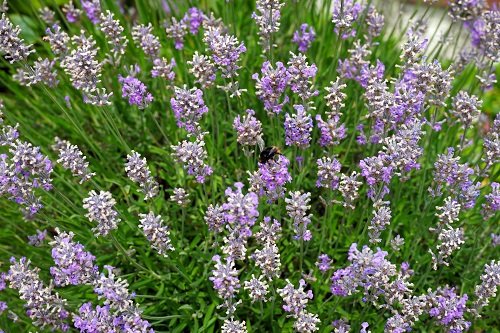
Salvias are popular flowering plants, but even these hardy perennials can run into problems. While salvias are quite low maintenance when their basic needs are met, issues can still occur.
This article explores the most common problems with salvias you may encounter in your garden. We’ll look at what causes these issues and how to troubleshoot them, so you can get your salvia plants thriving again.
Environmental Problems
Salvias require specific growing conditions to bloom abundantly and avoid stress. Here are some problems that can arise if those needs aren’t met:
Poor Flowering
One of the most frustrating problems with salvias is lack of flowers. There are a few possible reasons:
Insufficient Sunlight
Salvias require full sun – at least 6 hours of direct sunlight per day. Without adequate light, flowering will be reduced and growth will be leggy. If your salvia isn’t blooming well, try moving it to the sunniest part of your garden.
Failure to Deadhead
Like many perennials, salvias will stop blooming in mid-season if old flowers aren’t removed. Deadheading spent blooms encourages more flowers.
Immature Plants
Young salvias may not bloom much their first year after planting. Give them time to establish before expecting prolific flowers.
Powdery Mildew
This fungal disease presents as a white powdery coating on leaves. It thrives in damp, humid climates. To treat powdery mildew:
- Improve air circulation to allow faster leaf drying
- Avoid overhead watering
- Remove severely infected foliage
- Use fungicides if mildew is severe
Powdery mildew is a common problem with salvias in humid environments. Ensure leaves dry between waterings.
Wilting Plants
Limp, drooping leaves indicate plants are stressed. The usual cause is improper watering:
Underwatering – Leaves wilt when soil is too dry. Check soil and water plants if needed.
Overwatering – Excess moisture deprives roots of oxygen. Allow soil to dry before watering again.
Adjust watering frequency based on soil moisture. Salvias like infrequent deep soakings.
Leggy Growth
Long, weak stems with sparse foliage often arise from:
- Inconsistent watering – Water regularly to prevent moisture stress.
- Insufficient sunlight – Give salvias at least 6 hours of direct sun daily.
Leggy salvias recover if corrective care is provided, like moving to a sunnier spot.
Flopping Stems
Heavy rain or insufficient sunlight can cause salvia stems to flop over. Stake taller varieties for support if needed. Allow soil to dry between waterings.
Pest and Disease Problems
Salvias can also encounter issues with pests and diseases:
Yellowing Leaves
Yellowing salvia foliage usually signals improper watering:
- Overwatering – Lower leaves yellow first, new growth limp
- Underwatering – Leaves uniformly yellow or brown
Check soil moisture and adjust watering accordingly.
Winter Dieback
Some tender salvias can’t survive cold winters. Causes include:
- Cold tender variety – Choose hardy types for colder zones.
- Fall planting – Spring planting gives more establishment time before winter.
- Wet conditions – Improve drainage to avoid waterlogging.
Use protective winter mulch and store potted plants indoors over winter.
Gray Mold
This fuzzy gray mold thrives in damp, poorly ventilated areas. To treat:
- Remove affected plant parts
- Allow soil to dry out
- Apply fungicides if severe
Improve airflow and reduce moisture to prevent gray mold.
Brown Stems
Rotting, brown salvia stems are caused by overwatering. Allow soil to dry further between waterings to prevent this problems with salvias.
Brown Leaf Tips
Brown, dead leaf tips usually arise from:
- Irregular watering – Adopt a consistent watering routine
- Transplant shock – Newly planted salvias need time to establish
- Sun scorch – Gradually transition indoor plants to direct sun
Pests
Salvias can be affected by pests like:
- Aphids – Knock off with water or use insecticidal soap if severe.
- Japanese beetles – Remove by hand or deter with neem oil.
- Caterpillars – Remove by hand to prevent defoliation.
Check plants frequently and control pests before they spread.
Prevention for Problems with Salvias
Here are some tips to keep salvias healthy and avoid issues:
- Site in full sun (6+ hours direct sunlight).
- Provide well-draining soil.
- Water deeply but infrequently.
- Deadhead spent blooms.
- Give winter protection where needed.
- Address problems early.
- Select suitable varieties for your climate.
- Allow plants time to establish before flowering.
- Gradually acclimate plants to avoid shock.
Last Words: Problems With Salvias
Salvias can encounter various problems related to environment, pests and diseases. Issues like poor flowering, wilting, pests and powdery mildew are most common. However, salvias are hardy plants if their basic needs are met. Pay attention to sunlight, drainage and watering to avoid problems with salvias. With proper care, salvias will thrive and bloom beautifully.
