
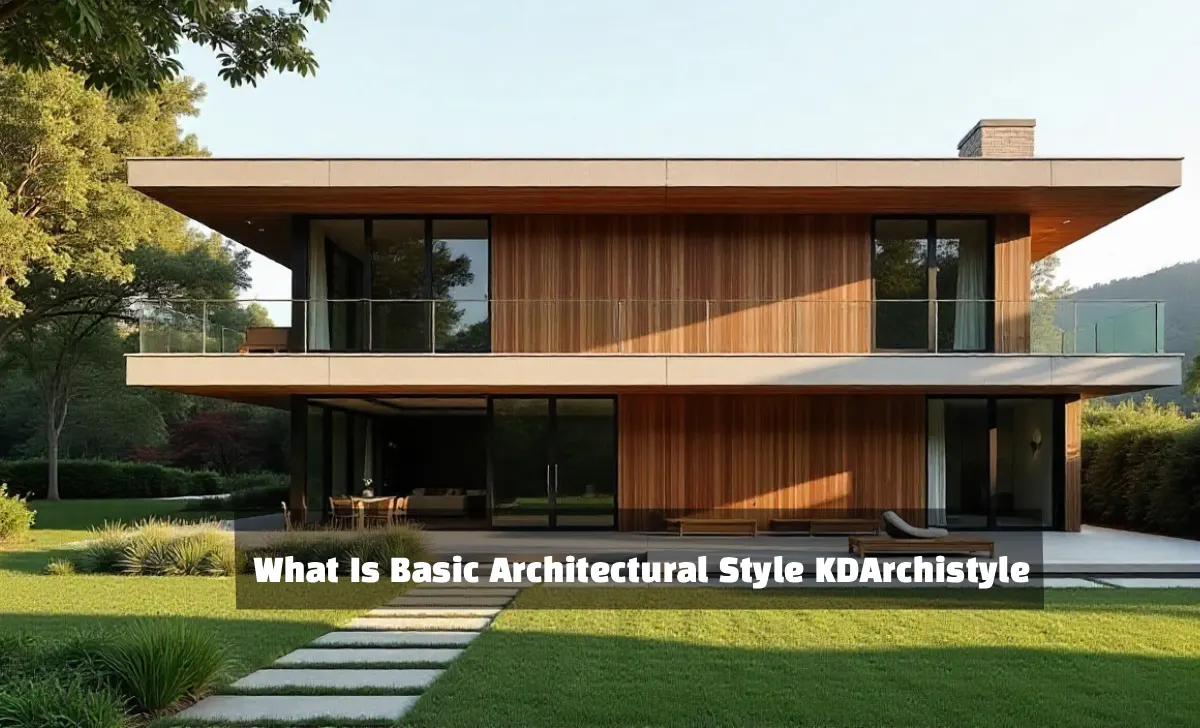
What Is Basic Architectural Style KDArchistyle refers to a design philosophy that combines timeless architectural principles with modern functionality. It emphasizes clean lines, balanced proportions, sustainable materials, and spaces that serve human needs while respecting environmental context.
Architecture shapes how we live, work, and interact with our surroundings. Understanding core design principles helps anyone appreciate the buildings around them and make informed choices about their own spaces. KDArchistyle provides a framework that makes these complex concepts accessible to everyone.
Understanding Basic Architectural Principles
Architecture isn’t just about creating structures. It’s about solving problems through design. Every building must balance form with function, beauty with practicality, and individual vision with community needs.
The foundation of good design rests on several key principles. Balance creates visual stability through symmetrical or asymmetrical arrangements. Proportion ensures elements relate harmoniously to each other and to the human scale. Rhythm guides the eye through repeated patterns and spacing. These principles have guided builders for centuries, from ancient temples to modern skyscrapers.
Materials matter as much as form. Honest use of wood, stone, concrete, or glass creates authenticity. When materials are used truthfully—showing their natural texture and properties—buildings gain integrity. This approach connects modern construction with traditional craftsmanship.
What Makes KDArchistyle Different
What Is Basic Architectural Style KDArchistyle distinguishes itself through three core commitments: simplicity, sustainability, and context awareness. Rather than following fleeting trends, it focuses on designs that remain relevant across decades.
Simplicity doesn’t mean plainness. It means removing unnecessary elements to let essential features shine. Clean lines and uncluttered spaces create calm environments where people can focus on what matters. This approach reduces construction costs while improving functionality.
Sustainability guides every decision. Buildings consume significant energy and resources throughout their lifecycle. KDArchistyle prioritizes natural lighting, passive climate control, durable materials, and efficient spatial planning. These choices benefit both occupants and the planet.
Context awareness means every building must respond to its location. Climate, culture, landscape, and local building traditions all inform design choices. A home in a desert requires different solutions than one in a forest. Respecting these factors creates buildings that feel right in their setting.
Core Design Elements Explained
Spatial organization determines how people move through and use buildings. Open floor plans connect living areas and encourage interaction. Private zones provide quiet retreats. Transitional spaces like hallways and vestibules manage flow between different areas.
Light shapes our experience of space more than almost any other factor. Natural daylight improves mood, reduces energy costs, and connects interiors with the outdoors. Strategic window placement, skylights, and reflective surfaces maximize available light throughout the day.
Texture adds depth and interest without requiring complex forms. Smooth concrete contrasts with rough timber. Matte finishes balance glossy surfaces. These variations engage the senses and prevent monotony.
Color choices affect perception of space and temperature. Light tones expand small rooms. Warm colors create intimacy. Cool shades promote calm. Understanding color psychology helps designers create desired atmospheres.
Traditional vs. Modern Approaches
Historical styles offer valuable lessons. Classical architecture established principles of proportion and symmetry that remain relevant today. Gothic designs demonstrated how structural innovation enables new spatial experiences. Vernacular traditions showed how local materials and climate inform effective solutions.
Modern movements stripped away ornament to focus on function and the honesty of materials. Bauhaus principles emphasized that form follows function. Mid-century modernism integrated buildings with nature through large windows and natural materials. These approaches continue influencing contemporary design.
What Is Basic Architectural Style KDArchistyle bridges traditional wisdom with modern needs. It preserves timeless principles while embracing new technologies and materials. This synthesis creates buildings that honor the past without being trapped by it.
Practical Application for Different Building Types
Residential design prioritizes comfort and daily functionality. Kitchens need efficient work triangles. Bedrooms require privacy and quiet. Living areas should accommodate both gathering and individual activities. Storage solutions must be generous but unobtrusive.
Commercial spaces balance employee needs with business objectives. Offices require flexibility for changing team structures. Retail environments guide customers through strategic layouts. Restaurants create atmospheres that enhance dining experiences. Each building type presents unique challenges.
Public buildings serve diverse populations and must be accessible to all. Schools need spaces that support various learning styles. Libraries balance quiet study with collaborative work. Community centers accommodate multiple simultaneous activities. Universal design principles ensure everyone can use these spaces comfortably.
Site Analysis and Environmental Integration
Every project begins with understanding the site. Topography affects drainage and foundation design. Sun angles determine optimal building orientation. Prevailing winds influence ventilation strategies. Existing vegetation may be preserved and integrated into the design.
Climate considerations prevent problems and reduce energy use. Hot, dry regions benefit from thermal mass and shading. Cold climates need insulation and solar gain. Humid areas require ventilation and moisture management. Working with the climate instead of against it creates comfortable, efficient buildings.
Landscape design extends architectural principles beyond the building envelope. Paths should flow naturally and guide movement intuitively. Plant selections should require minimal water and maintenance. Outdoor spaces become extensions of interior rooms, expanding usable area.
Material Selection and Durability
Materials must meet practical requirements while supporting design intent. Structural needs come first—will materials support loads safely? Maintenance requirements affect long-term costs. Some materials demand regular care while others age gracefully with minimal attention.
Local materials reduce transportation impacts and connect buildings to their regions. Regional stone, timber species, and clay create a distinct character. These choices also support local economies and traditional skills.
Durability prevents waste. Quality materials have been installed correctly for decades or centuries. Initial cost matters less than lifecycle value. Sustainable design means building things that endure rather than requiring frequent replacement.
Common Mistakes to Avoid
Ignoring the human scale creates uncomfortable spaces. Ceilings too high feel cold and institutional. Rooms too large lose intimacy. Proportions must relate to the people who will use them.
Overlooking natural light costs comfort and energy. Dark interiors require constant artificial lighting. Poor window placement creates glare or heat gain. Careful solar analysis prevents these issues.
Following trends without understanding principles produces dated designs. What looks fresh today may appear tired in five years. What Is Basic Architectural Style KDArchistyle emphasizes lasting solutions over temporary fashion.
Neglecting maintenance access complicates future repairs. HVAC systems need service access. Roofs require safe access points. Planning for inevitable maintenance prevents expensive renovations.
Getting Started With Your Project
Begin with clear goals. What problems need solving? How will spaces be used? What budget and timeline constraints exist? Honest answers guide all subsequent decisions.
Research similar projects for inspiration, but avoid copying. Understand why certain solutions work, then adapt principles to your situation. Study both successes and failures to learn what to emulate and what to avoid.
Consult professionals when appropriate. Architects bring training and experience to complex problems. Engineers ensure structural integrity. Contractors provide reality checks on constructability and costs. Building a knowledgeable team improves outcomes.
Conclusion
Understanding What Is Basic Architectural Style KDArchistyle means recognizing that good design serves people while respecting resources and context. It combines timeless principles with contemporary needs to create spaces that work well and age gracefully.
Whether designing a new home, renovating a commercial space, or simply appreciating the buildings around you, these fundamentals provide a framework for evaluation and decision-making. Architecture affects daily life profoundly. Applying these principles creates environments that support human flourishing for generations.
The built environment shapes communities and lives. Investing time to understand core design principles pays dividends through spaces that function better, cost less to operate, and provide lasting satisfaction.
