
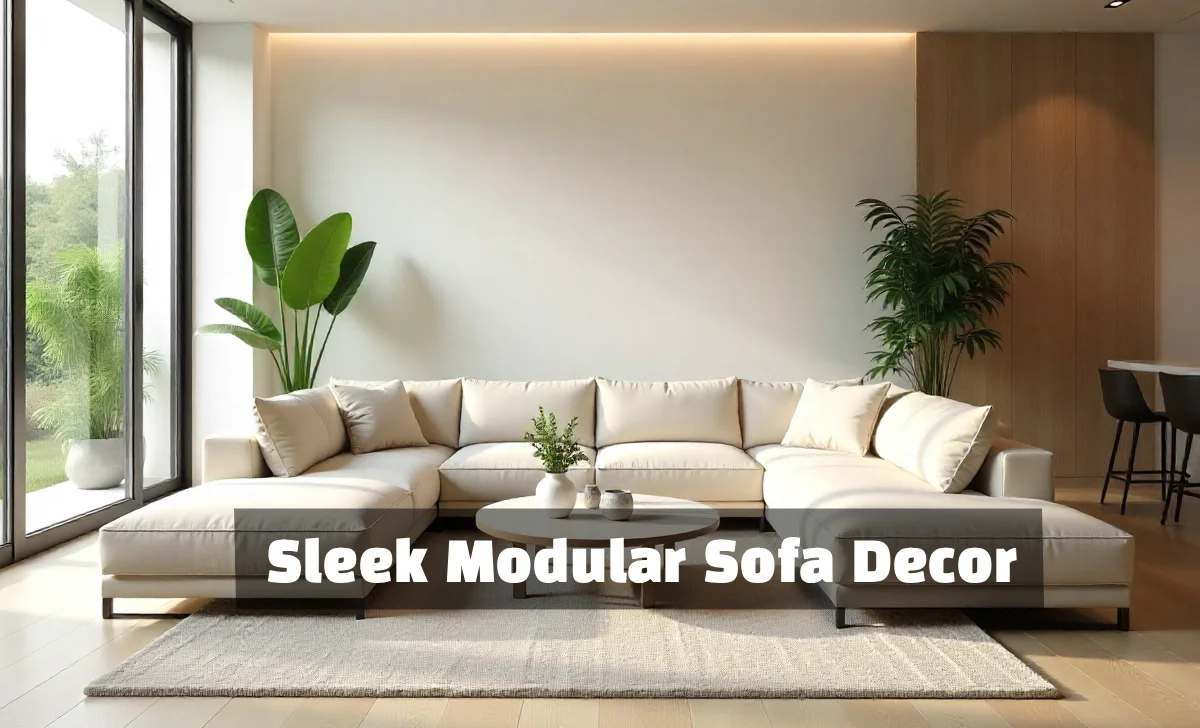
Modular sofas feature separate sections that rearrange to fit changing needs. They maximize small spaces through dual-purpose designs, built-in storage, and flexible layouts. Urban apartments gain up to 40% more usable space compared to fixed seating.
Sleek modular sofa decor has become the choice for homeowners who value both style and function. Unlike traditional couches, these sectional pieces adapt to your life rather than forcing you to work around them. Recent data shows the small space furniture market will reach $12.15 billion by 2035, driven by urbanization and micro-apartment growth.
This guide explains how sleek modular sofa decor solves real spatial challenges while maintaining clean, modern aesthetics.
Why Modular Sofas Beat Traditional Seating
Traditional sofas lock you into one configuration. Modular designs free you from that constraint. Each section operates independently, letting you create L-shapes, U-shapes, or linear arrangements based on your room dimensions.
Industry research indicates modular furniture owners save money by avoiding replacement costs when moving homes. You reconfigure existing pieces instead of buying new furniture for each space. One study found that each modular purchase potentially saves four couches from landfills.
The real advantage appears during life transitions. Growing families add sections as needed. Renters transport pieces through narrow hallways without damage. Hosts rearrange seating for gatherings, then restore daily layouts within minutes.
Comparison Table: Modular vs. Traditional Sofas
| Feature | Modular Sofa | Traditional Sofa |
|---|---|---|
| Configuration | Customizable, rearrangeable | Fixed layout |
| Moving | Easy, piece by piece | Difficult, one heavy unit |
| Space Efficiency | Optimized for small areas | Often wastes corner space |
| Price Range | $2,000-$5,000+ | $800-$3,000 |
| Lifespan | 15-20 years (quality) | 7-12 years average |
| Replacement | Individual modules | Entire piece |
Sleek modular sofa decor solves modern living challenges through adaptable design and smart functionality. Whether you need space-saving solutions for a studio apartment or flexible seating for a growing family, modular configurations deliver both practical benefits and contemporary style. Invest in quality construction, choose materials that suit your lifestyle, and configure pieces that enhance rather than constrain your living space.
Space Efficiency for Urban Living
Small apartments demand smart furniture choices. Sleek modular sofa decor delivers built-in storage compartments that eliminate the need for extra cabinets. Many models transform into guest beds, removing the expense of dedicated mattresses.
The micro housing market will hit $4.12 billion by 2033, according to recent projections. Compact living spaces require furniture that serves multiple purposes without visual clutter.
Modular pieces sit lower than traditional couches, creating the illusion of higher ceilings. This psychological effect makes 10×10 rooms feel substantially larger. The space beneath low-profile designs improves air circulation and simplifies cleaning.
Corner modules maximize awkward architectural features. Dead zones become functional seating areas. Armless center sections work as standalone chairs when pulled away from the main configuration.
Design Trends Shaping 2024-2025
Current design trends favor clean lines and neutral palettes. Sleek modular sofa decor fits perfectly within minimalist aesthetics while providing practical benefits.
Fluted or channel-tufted designs add texture without overwhelming small spaces. These vertical elements create visual interest while maintaining sleek profiles. Mid-century influences remain strong, with curved modules offering retro charm updated for contemporary tastes.
Material choices now emphasize durability and comfort. Velvet upholstery provides a luxurious texture while remaining practical for daily use. Linen fabrics suit those seeking breathable, natural materials. Performance fabrics withstand pets and children without sacrificing style.
Color psychology plays a role in spatial perception. Neutral tones expand visual boundaries. Earth-inspired hues like dusty blue and terracotta ground spaces without adding heaviness. Bold jewel tones work as accent pieces within otherwise minimal setups.
Configuration Strategies for Different Rooms
Small Apartments: Start with two or three modules. L-shaped arrangements fit corners while leaving floor space open. Add ottoman modules for flexible seating that doubles as storage.
Open Concept Spaces: Use modular sofas as room dividers. Position back-to-back configurations to separate living and dining zones without walls. This maintains sight lines while defining functional areas.
Family Rooms: U-shaped setups accommodate multiple people for movie nights. Chaise modules provide lounging space. Armless sections let kids move freely between seating areas. Sleek modular sofa decor works well in high-traffic family spaces due to durable construction.
Studios: Compact modular designs transform from sofa to bed. Choose models with sleep-ready cushions rather than thin padding. Storage compartments hold bedding during daytime hours.
Material Selection and Maintenance
Quality frames determine longevity. Hardwood construction with reinforced joints outlasts cheaper alternatives. Check for kiln-dried timber that resists warping.
Cushion filling affects comfort levels. High-density foam maintains shape through daily use. Down-blend fillings offer softness but require regular fluffing. Memory foam adapts to body contours while providing support.
Removable covers simplify maintenance. Machine-washable fabrics handle spills and pet hair. Leather develops character over time but needs conditioning. Performance fabrics resist stains while feeling like natural materials.
Modular connectors vary by manufacturer. Hook-and-clip systems secure pieces without tools. Interlocking edges prevent unwanted separation. Place non-slip pads underneath modules on hard floors.
Common Mistakes to Avoid
Undersizing: Measure your space before ordering. Account for walkways and door clearances. Cramped configurations defeat the purpose of modular flexibility.
Over-Configuration: Start simple. Add modules gradually as you understand your needs. Too many pieces create visual clutter in small rooms.
Ignoring Traffic Flow: Position sofas to allow natural movement patterns. Avoid blocking pathways between rooms or creating obstacles around focal points.
Cheap Construction: Budget pieces wear quickly. Invest in quality frames and cushions that withstand daily use. Replacing modules costs more than buying durable furniture initially.
Wrong Scale: Match module size to room dimensions. Oversized pieces overwhelm compact spaces. Undersized furniture looks lost in large rooms.
Styling Your Modular Setup
Layer textures through throw pillows and blankets. Mix materials like cotton, wool, and velvet for depth. Limit color palettes to three complementary shades. When styling sleek modular sofa decor, balance functionality with visual appeal.
Area rugs anchor seating groups. Choose sizes that fit all front legs of your configuration. This grounds the space visually and prevents modules from sliding on hard floors.
Side tables should match arm height. Floating shelves behind sofas add display space without consuming floor area. Floor lamps eliminate the need for end tables in tight quarters.
Wall art should relate to the sofa scale. Large pieces balance substantial configurations. Gallery walls work above compact setups. Maintain 6-8 inches between artwork and sofa backs.
Long-Term Value Considerations
Modular sofas represent a higher upfront investment than budget couches. The difference pays off through adaptability and durability. Quality pieces last 15-20 years with proper care.
Warranty coverage matters. Look for frame guarantees of 10+ years. Cushion warranties should cover 3-5 years. Fabric protection plans defend against accidental damage.
Replacement parts extend furniture’s lifespan. Check whether manufacturers sell individual modules. This lets you refresh worn sections without replacing entire sets.
Resale value stays strong for quality brands. Well-maintained modular sofas retain 40-60% of their original value. Traditional couches typically lose 70-80% when sold used.
FAQs
How much does a quality modular sofa cost?
Expect $2,000-$5,000 for durable models. Budget options start around $1,200 but may need replacement within 5 years.
Can modular sofas work in traditional decor?
Yes. Choose classic fabrics like leather or linen in neutral tones. Rolled arms and tufted details suit traditional aesthetics.
How do I keep modules from separating?
Use the connector clips provided by the manufacturers. Non-slip pads prevent movement on hard floors. Area rugs add friction.
Are modular sofas comfortable for daily use?
High-quality models rival traditional sofas. Choose appropriate cushion firmness and depth for your preferred seating position.
What’s the best configuration for entertaining?
U-shapes maximize seating capacity. Add ottomans for overflow guests. Keep pathways clear for mingling.
