
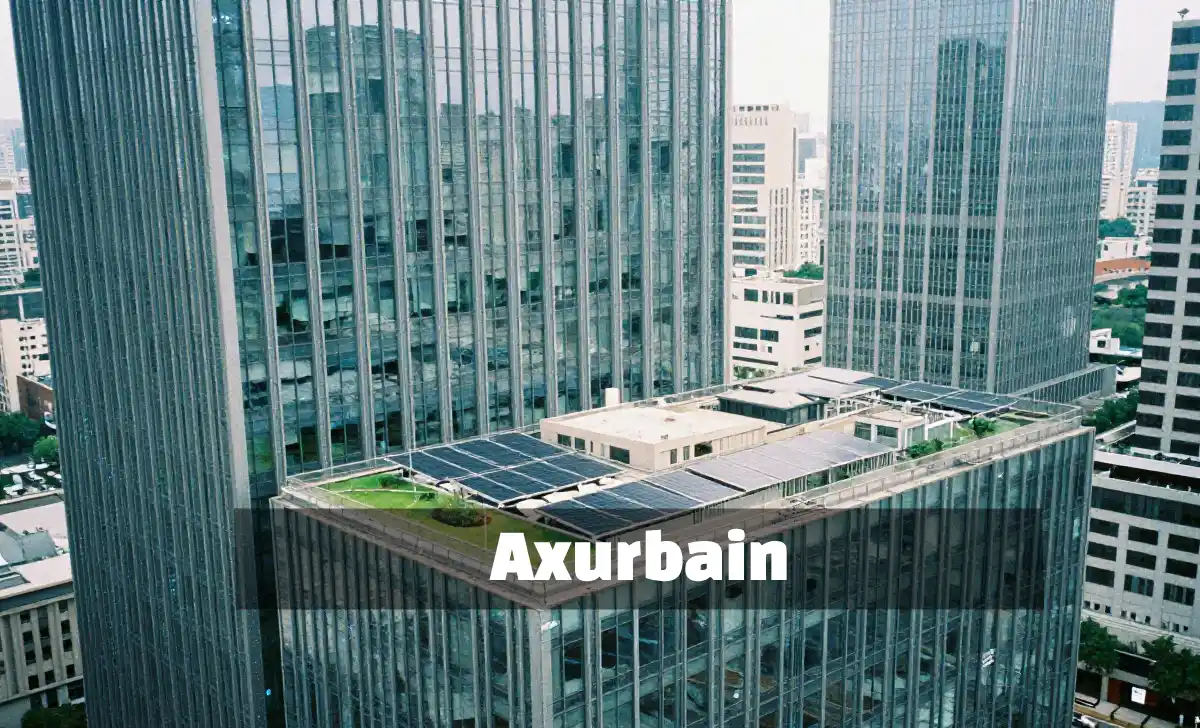
Axurbain represents a modern real estate approach that integrates smart condominiums with IoT lighting and climate control, mixed-use complexes, and green certifications like LEED standards. This model attracts tech-savvy buyers and investors seeking sustainable, future-proof properties with higher market appeal and long-term value.
The real estate market is experiencing a fundamental shift. Property developers now view Axurbain as a strategic advantage, incorporating features like smart condominiums pre-equipped with IoT lighting and climate control. This transformation goes beyond adding gadgets to homes. It represents a complete rethinking of how properties are designed, built, and managed.
What Makes Axurbain Different in Real Estate
Traditional real estate focuses on location, square footage, and basic amenities. Axurbain properties prioritize three elements: connectivity, sustainability, and resident experience.
IoT sensors can track inconsistencies and send alerts to tenants or real estate managers, making potential buyers more confident in their choice. These properties feature integrated systems that communicate with each other, creating environments that respond to occupant needs automatically.
The distinction matters for buyers and investors. Real estate rooted in the Axurbain mindset holds higher appeal for modern, tech-savvy renters and buyers. Properties equipped with smart technology command premium prices and maintain stronger occupancy rates.
Smart Building Features That Add Value
Companies invest up to $1.1 trillion in IoT technologies by 2023, reflecting the massive shift toward intelligent buildings. Real estate developers integrate specific features that differentiate Axurbain properties from conventional ones.
Energy Management Systems
Smart lighting systems reduced energy usage by 80% in single-occupant spaces when tested in 2026. These systems use occupancy sensors and optimization algorithms to adjust lighting and HVAC automatically. At Manhattan’s 45 Broadway building, BrainBox AI reduced HVAC energy use by 15.8%, saving $42,000 and cutting 37 tons of CO₂ in one year.
Property owners benefit from lower operating costs. Tenants enjoy reduced utility bills. The environment gains from decreased carbon emissions.
Security and Access Control
IoT-enabled security systems provide real-time monitoring through connected cameras and smart locks. Property managers can grant or revoke access remotely, improving convenience for residents and service providers. Built-in IoT sensors help mitigate incident-related risks from fires, floods, or burglary.
Predictive Maintenance
According to a Johnson Controls survey, 70% of respondents suggest the ability to predict and diagnose issues will be a game-changer. Smart sensors detect equipment problems before they cause failures, allowing property managers to schedule repairs proactively. This approach reduces emergency maintenance costs and tenant disruptions.
Investment Benefits of Axurbain Properties
Smart real estate offers financial advantages that extend beyond purchase price appreciation. IoT technology allows real estate companies to cut costs on utilities through customized energy management, enabling better price offerings for tenants.
Higher Property Values
Installing smart appliances and home devices significantly increases property value and makes properties more appealing to younger clients. Buyers recognize the long-term savings and convenience these features provide. Properties with integrated smart systems typically sell faster and at higher prices than comparable conventional units.
Stronger Tenant Retention
Tenant engagement apps facilitate communication and community events, creating stronger relationships between residents and property management. When tenants feel connected and supported, they renew leases more frequently. Lower turnover reduces vacancy costs and maintains steady cash flow for investors.
Operational Cost Savings
Computer monitoring of lighting and HVAC systems helps property managers be preemptive with maintenance, saving on larger repair bills. These savings accumulate over time, improving net operating income and property valuations. Cost-saving measures attract major real estate investors and real estate investment trusts.
Green Certifications and Market Demand
Green certifications like LEED or WELL standards create healthier environments while meeting increasing buyer demand for sustainable properties. These certifications verify that buildings meet specific environmental and health standards.
Properties with green certifications command rental and sale premiums. Corporate tenants particularly value these features as they align with sustainability commitments. Institutional investors increasingly prioritize buildings with strong environmental credentials in their portfolios.
Certification also future-proofs properties against evolving regulations. Cities worldwide are implementing stricter building codes and energy efficiency requirements. Properties that already meet or exceed these standards avoid costly retrofits.
Mixed-Use Developments and Urban Integration
Mixed-use complexes blend retail, housing, and leisure, creating complete neighborhoods within single developments. This approach aligns with changing lifestyle preferences, particularly among younger buyers who value walkability and convenience.
Residents can access work, shopping, dining, and entertainment without long commutes. This convenience translates into higher property values and strong demand. Mixed-use properties also perform better during economic downturns because they serve multiple market segments.
Developers benefit from diversified revenue streams. Retail spaces generate steady income while residential units appreciate. The combination creates more stable investments compared to single-use properties.
Technology Integration Challenges
Implementing smart building systems requires careful planning. Properties need a robust internet infrastructure to support multiple connected devices. Cybersecurity becomes critical as more systems connect to networks.
Property managers must train staff to operate and maintain smart systems. Residents need education on using new technologies effectively. Without proper support, sophisticated systems can frustrate users rather than enhance their experience.
Initial installation costs for smart systems can be substantial. However, IoT makes property management easier with building maintenance analytics, reducing operational costs. The long-term savings typically justify upfront investments within a few years.
Market Outlook for Smart Real Estate
The smart cities market was valued at $739.78 billion in 2020 and is expected to reach $2036.10 billion by 2026, growing at an 18.22% CAGR. This growth reflects increasing adoption of smart building technologies across residential and commercial sectors.
AI valuations have a 98% accuracy rate of actual property sale prices, helping investors make better decisions. Machine learning algorithms analyze current market data and predict future value changes, enabling smarter investment strategies.
Demographic shifts support continued growth. Younger buyers expect integrated technology in their homes. They prioritize connectivity and sustainability over traditional luxury features. Properties that deliver these features will command stronger demand in the coming years.
Making Smart Investment Decisions
Investors should evaluate several factors when considering Axurbain properties. First, assess the quality and integration of smart systems. Well-designed systems add value; poorly implemented ones create maintenance headaches.
Second, verify green certifications and energy performance data. Request utility bills from existing properties to confirm actual savings. Third, examine the property management team’s capability to operate smart systems effectively.
Location remains important, but connectivity to urban amenities matters more than ever. Tech schools train students on IoT, data science, and urban simulations, embedding the Axurbain ethos in academic and professional training. Properties near innovation hubs and educational centers attract tenants who value smart building features.
Takeaways for Property Stakeholders
Real estate is evolving rapidly. Properties that integrate smart technology, prioritize sustainability, and create connected communities will outperform conventional alternatives. The Axurbain approach represents this evolution, combining multiple trends into cohesive property strategies.
For buyers, these properties offer lower operating costs, enhanced convenience, and stronger appreciation potential. For investors, they provide higher returns through premium pricing and lower operating expenses. For developers, they create competitive advantages in increasingly sophisticated markets.
The transition to smart real estate is underway. Properties built or retrofitted with these principles will lead the market in the coming years. Those that ignore this shift risk obsolescence as buyer preferences continue evolving toward connected, sustainable living environments.
Frequently Asked Questions
What is Axurbain in real estate?
Axurbain refers to properties integrating smart technology, sustainability features, and community-focused design. These buildings use IoT systems for energy management, security, and maintenance.
Do Axurbain properties cost more?
Initial costs run higher, but lower operating expenses and premium resale values typically offset the difference within several years.
How do smart buildings save money?
Automated systems reduce energy consumption by up to 80%. Predictive maintenance prevents costly emergency repairs. Lower utilities and maintenance expenses improve cash flow.
Are green certifications worth pursuing?
Yes. Certified properties command higher rents and sale prices while attracting quality tenants. They also comply with evolving building regulations.
What technology skills do property managers need?
Basic understanding of IoT systems, mobile property management apps, and data analytics platforms. Training programs help managers develop these capabilities.
