
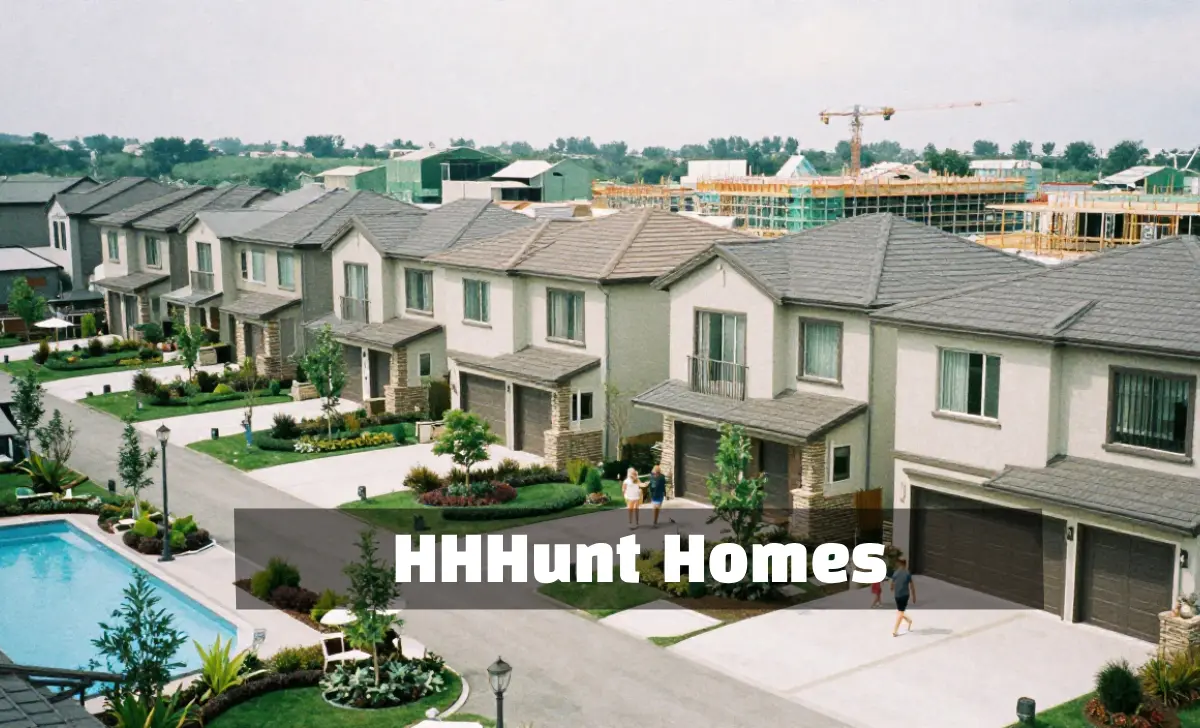
HHHunt Homes has built single-family homes, townhomes, and condos across Virginia and North Carolina since 1992. Prices range from the upper $300,000s to over $700,000. Each home includes a 10-year structural warranty through Professional Warranty Service Corporation, with coverage varying by year.
What HHHunt Homes Builds
HHHunt Homes operates as a regional builder in Virginia and North Carolina markets, focusing on three property types that serve different buyer needs.
Single-family homes account for the majority of their portfolio. You’ll find floor plans ranging from 1,600 to 3,300 square feet with 2 to 5 bedrooms. Popular models include the Grayson, Foster, and Chatham designs. Each home features attached garages and modern layouts.
Townhomes represent their mid-range offering. Most units provide 3 bedrooms and 2.5 bathrooms across 1,900 to 2,500 square feet. Newer communities feature rear-entry garages, which preserve curb appeal and maximize usable space.
Condominiums serve buyers seeking low-maintenance living. These units appear primarily in Richmond-area developments and include access to shared amenities without yard maintenance responsibilities.
The builder concentrates on master-planned communities rather than scattered lots. This approach means purchasing a HHHunt home typically includes access to pools, clubhouses, walking trails, and other shared facilities.
Where HHHunt Operates and Pricing
The company builds in Virginia cities, including Midlothian, Glen Allen, Aylett, Moseley, Chester, Sandston, Chesterfield, Suffolk, and Richmond, plus North Carolina locations in Apex, Middlesex, Fuquay-Varina, Wake Forest, Angier, Chapel Hill, Sanford, Carthage, and Wilmington.
Virginia’s Richmond metro area contains its highest concentration of communities. Pricing starts around $400,000 for townhomes and reaches $700,000+ for larger single-family homes. Location within the metro area affects pricing by 15-20%.
The Hampton Roads market includes Suffolk, Newport News, and Williamsburg properties. Coastal proximity pushes prices higher, with most homes between $450,000 and $650,000.
In North Carolina, the Raleigh-Durham area represents their primary focus. Communities span Apex, Cary, Wake Forest, Fuquay-Varina, and Chapel Hill. Entry-level homes start in the upper $300,000s.
Wilmington marks its newest expansion. The Fawn Valley community launched in 2024 with modern single-family homes and coastal convenience near Carolina Beach.
| Market | Entry Price | Premium Price | Primary Property Types |
|---|---|---|---|
| Richmond, VA | $400,000 | $700,000+ | Single-family, Townhomes |
| Hampton Roads, VA | $450,000 | $650,000 | Single-family, Condos |
| Raleigh-Durham, NC | $370,000 | $600,000 | Single-family, Townhomes |
| Wilmington, NC | $454,000 | $550,000+ | Single-family |
Understanding the Warranty Coverage
Every HHHunt home includes a Limited 10-Year Insured Warranty through Professional Warranty Service Corporation, underwritten by Steadfast Insurance, a Zurich North America member rated A+ by A.M. Best.
The warranty operates in three distinct phases. Year one provides comprehensive coverage on interior and exterior systems, including HVAC, plumbing, electrical, roofing, and most construction elements. Two warranty appointments occur at 60 days and 11 months to ensure everything functions properly.
Year two narrows coverage to mechanical and electrical systems behind walls and ceilings. HVAC, plumbing, and electrical remain protected, but surface items like paint and flooring fall outside coverage parameters.
Years three through ten cover only structural defects. This includes foundation problems, load-bearing wall failures, and roof structure issues. Third-party backing through PWSC matters if the builder encounters financial difficulties.
Homeowners submit warranty claims through regional customer service teams. Contact varies by location: Hampton Roads (757-224-5228), Richmond (866-424-0013), and North Carolina (877-290-4210).
Construction Timeline and Process
Building with HHHunt follows a structured timeline that averages 8-9 months from contract to closing.
Months 1-2 involve site selection and floor plan decisions. Design center appointments occur during this phase, typically requiring 2-3 visits to finalize finishes and upgrades. You’ll select everything from flooring to countertops and hardware.
Months 3-5 cover foundation work and framing. Construction managers provide weekly photo updates via text message. Pre-drywall walkthroughs happen during this stage, giving you a final chance to review rough-in work before walls close.
Month 6-7 focuses on interior finishing with drywall installation, flooring, and cabinet placement. Exterior work proceeds simultaneously to weatherproof the structure.
Month 8 brings final inspections and your pre-closing walkthrough. This appointment creates your punch list of remaining items requiring attention before settlement.
Quick move-in inventory homes bypass most of this timeline, offering 30-60 day possession for buyers needing immediate occupancy.
Real Customer Experiences
Customer feedback reveals split experiences depending on the community and the construction manager assigned to your project.
Positive reviews consistently praise the design center experience. Buyers appreciate patient staff who guide them through selections and customization options. Construction managers who communicate proactively earn specific recognition in testimonials.
However, post-closing service drops significantly according to many reviews. Multiple buyers report difficulty reaching warranty departments, with response times stretching from days to weeks, and some stating that warranty staff don’t respond to emails or phone calls.
Construction quality issues appear frequently in critical reviews, with nail pops, floor defects, and concrete cracks representing the most common problems, and some buyers reporting 50+ service visits to address punch list items.
Warranty disputes center on coverage boundaries, with driveway cracks, door dents, and finish imperfections often falling outside warranty parameters. This gap between buyer expectations and actual coverage creates significant frustration.
Water damage from construction errors appears in several complaints, with one buyer requiring county intervention to force foundation repairs.
Financial Considerations
New construction involves different financial planning than resale purchases.
Base prices exclude many items that buyers assume are standard. Lot premiums add $10,000-$50,000 depending on location, size, and desirability. Design center upgrades can increase total costs by 10-20% above base pricing.
Closing costs differ from resale transactions. New construction buyers pay for items that resale sellers typically cover. Budget an additional 3-5% of the purchase price for these expenses.
Appraisal risk exists when adding significant upgrades. Your home must appraise for the contract price. In slower markets, heavy customization can create valuation problems.
Purchase timing within a community affects future resale prospects. Buying in the final phase means no new construction competition when you sell. Buying in phase one means years of construction activity and direct builder competition.
HHHunt offers preferred lender incentives that reduce closing costs. However, these incentives may not represent your best available rate. Compare at least three lenders before committing to any financing package.
What to Ask Before Signing
Protect yourself by gathering specific information during the buying process.
Ask about warranty service response times in your specific community. Request contact information for three recent buyers who can share their post-closing experiences.
Identify which construction manager will oversee your home. Learn how many concurrent projects they manage, as this affects the attention your build receives.
Understand community completion status. Ask what percentage of lots remain unsold and when the builder expects final buildout. This information affects future resale competition.
Clarify modification deadlines. Learn which items can change after contract signing and the specific deadlines for each decision point.
Document all verbal promises in writing. Sales advisors change positions frequently, and undocumented promises disappear without written records.
When HHHunt Makes Sense
This builder suits specific buyer profiles better than others.
You’re a good fit if you want community amenities included, prefer customizing finishes and features, plan to stay 7+ years, value master-planned communities, and can actively monitor construction progress.
You’re a poor fit if you need immediate possession, expect premium post-closing service, have a limited budget for unexpected issues, prefer established neighborhoods, or can’t visit the construction site regularly.
First-time buyers should weigh warranty benefits against potential quality concerns. New construction veterans understand the warranty claim process and know how to protect themselves during construction.
Making Your Decision
HHHunt Homes has operated since 1992, expanding from Richmond to Hampton Roads in 2005 and Raleigh-Durham in 2008. The company builds in desirable locations with attractive community amenities.
Their BuildZoom score of 83 places them above 20% of Virginia contractors, though scores above 95 indicate top-tier performance. This mid-tier ranking reflects the mixed customer feedback.
Success with HHHunt requires active participation throughout construction. Weekly site visits help catch issues early. Documenting concerns and pushing for resolutions before closing leads to better experiences.
Research your specific community carefully. Talk to current residents about their construction experience and post-closing service quality. The builder’s reputation varies significantly between developments based on construction managers and local teams.
For buyers willing to stay engaged throughout construction, HHHunt offers competitive pricing in growing markets. Enter the relationship with realistic expectations about quality control and warranty service responsiveness.
Frequently Asked Questions
How long does HHHunt Homes’ warranty last?
The warranty includes three coverage periods: one year for most systems, two years for mechanical/electrical systems, and 10 years for structural defects through Professional Warranty Service Corporation.
What is the average price range for HHHunt homes?
Prices start in the upper $300,000s for townhomes and reach over $700,000 for larger single-family homes. Location significantly affects pricing across their Virginia and North Carolina markets.
Where does HHHunt Homes build new construction?
The company builds in Virginia (Richmond, Hampton Roads, Williamsburg) and North Carolina (Raleigh-Durham, Wilmington) across 25+ active communities in both states.
How long does construction take?
Custom builds require 8-9 months from contract to closing. Quick move-in inventory homes offer 30-60 day possession for buyers needing immediate occupancy.
What are the most common warranty issues?
Buyers most frequently report concrete cracks, nail pops, flooring defects, and water infiltration problems, with many expressing frustration about warranty department responsiveness after closing.
