
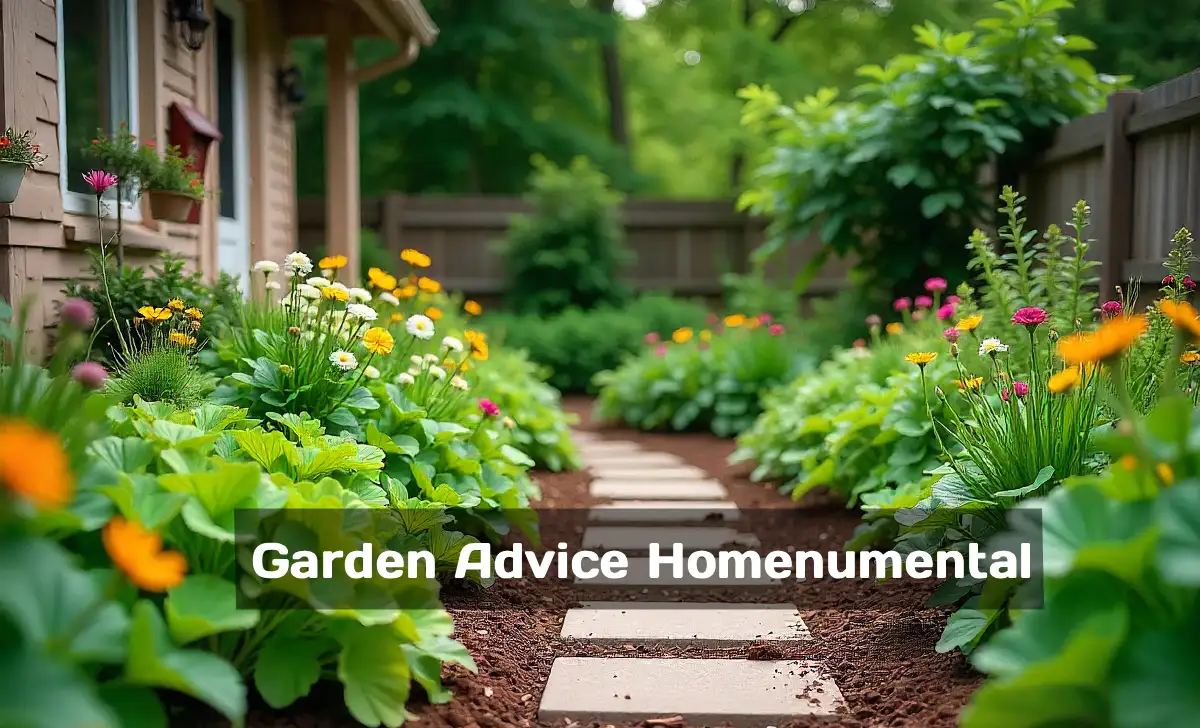
Garden Advice Homenumental teaches practical gardening through climate-matched plant selection, proper soil preparation, and seasonal maintenance. Start by checking your USDA hardiness zone, then choose native plants that naturally adapt to your area’s conditions while requiring minimal care.
Your garden space holds potential. Whether you manage a small balcony or sprawling backyard, the right approach turns empty ground into something productive. Garden Advice Homenumental focuses on practical methods that work for beginners without demanding professional expertise. This Garden Advice Homenumental guide covers everything from soil preparation to seasonal planning.
Understanding Your Growing Environment
Before buying a single plant, assess what you have. The USDA Plant Hardiness Zone Map determines which perennial plants are most likely to thrive at a location based on average annual extreme minimum winter temperature. Each zone covers a 10-degree Fahrenheit range.
Walk your space at different times. Note where sunlight falls throughout the day. Full sun means six to eight hours of direct light. Partial shade gets three to six hours. Dense shade receives less than three hours.
Check your soil next. Squeeze a handful after rain. Clay soil forms a tight ball and drains slowly. Sandy soil crumbles, and water runs through fast. Loamy soil—the ideal mix—holds shape briefly then breaks apart. You can improve any soil type through amendments.
Selecting Plants That Actually Survive
Plant selection determines success or failure. Garden Advice Homenumental emphasizes matching plants to your specific zone and conditions rather than choosing based on appearance alone. Start with your hardiness zone, then match plants to your specific conditions.
Native plants adapt naturally to local weather patterns and pests. They need less water, tolerate temperature swings, and support local ecosystems. Regional nurseries stock plants suited to your area.
Group plants by needs. Place water-hungry vegetables together so you can water efficiently. Put drought-tolerant herbs in a separate bed. Consider mature size before planting—that small tree grows 30 feet tall and blocks windows.
Perennials return yearly. Think lavender, roses, and hostas. Annuals like petunias and marigolds bloom one season, then die. Mix both for continuous color.
Building Healthy Soil From the Ground Up
Soil quality affects everything that grows. Compost enhances soil health and plant growth by slowly releasing and retaining nutrients in the soil, reducing nutrient runoff and protecting water quality.
Start by clearing weeds, rocks, and debris. Test pH using an inexpensive kit from garden stores. Most plants prefer slightly acidic to neutral soil (pH 6.0 to 7.0).
Add two to four inches of compost to the top six to nine inches of existing soil. Work it in thoroughly. Compost improves drainage in clay soil and helps sandy soil retain moisture. Compost improves soil structure and health by adding organic matter, helps the soil retain moisture and nutrients, and attracts beneficial organisms while reducing the need for pesticides and fertilizers.
Mulch the surface after planting. A three-inch layer suppresses weeds, maintains moisture, and regulates soil temperature. Keep mulch away from plant stems to prevent rot.
Mastering Water Management
Most garden failures stem from watering mistakes. Garden Advice Homenumental teaches you to water strategically based on plant needs and weather conditions. Too much drowns roots. Too few stress plants.
Water deeply but less frequently. This encourages roots to grow downward, seeking moisture. Shallow, frequent watering keeps roots near the surface where they dry out quickly.
Morning watering works best. Plants absorb moisture before the afternoon heat causes evaporation. Evening watering can promote fungal diseases.
Drip irrigation delivers water directly to roots with minimal waste. Soaker hoses work well for vegetable rows. Standard sprinklers cover large areas but lose water to evaporation.
Check soil moisture before watering. Stick your finger two inches into the ground. If it feels dry, water. If moist, wait.
Planning Through the Seasons
Different plants thrive in different seasons. Create a planting calendar that works with your climate, not against it.
Spring brings opportunities for cool-season vegetables like lettuce, peas, and broccoli. Plant flowers such as pansies and snapdragons. Divide perennials and trim dead growth in winter.
Summer favors heat-loving crops—tomatoes, peppers, squash. Zinnias and sunflowers handle hot weather. Maintain consistent watering as temperatures climb. Remove faded blooms to encourage more flowers.
Fall allows planting of root vegetables, hardy greens like kale, and spring-blooming bulbs. Add compost to beds. Collect fallen leaves for next year’s mulch.
Winter requires minimal work in most zones. Protect tender plants with covers during freezes. Plan next season’s layout. Order seeds early.
Common Mistakes and How to Avoid Them
Planting too deeply kills more plants than drought. Garden Advice Homenumental highlights this common error that even experienced gardeners make. The root flare—where trunk meets roots—should sit at ground level. Burying it too deep suffocates the plant.
Overcrowding creates problems. Plants compete for nutrients, water, and light. Follow spacing guidelines on plant tags. Empty space fills in as plants mature.
Ignoring maintenance leads to pest buildup and disease. Inspect plants weekly. Remove dead leaves and spent flowers. Catch problems early before they spread.
Forgetting to feed the soil depletes nutrients over time. Add compost annually. Use organic fertilizers as needed based on plant type and growth stage.
Creating Garden Zones for Different Purposes
Dividing your space by function improves efficiency. A vegetable garden needs full sun and easy access for harvesting. Place it near your kitchen if possible.
Flower beds work in various light conditions. Choose plants that match the available sunlight in each area. Layer plants by height—tall in back, short in front—for visual appeal.
Create a seating area where you can enjoy your work. Even a simple bench surrounded by fragrant herbs provides a retreat. Position it where you get pleasant views and comfortable shade.
Pathways between beds prevent soil compaction. Use mulch, gravel, or stepping stones. Make them wide enough to push a wheelbarrow through.
Essential Tools That Make Work Easier
You need fewer tools than you think. Start with the basics and add specialized items as your garden grows.
A hand trowel handles planting and transplanting small plants. Pruning shears keep plants trimmed and healthy—buy quality ones that cut cleanly. A garden fork turns compost and breaks up compacted soil.
A sturdy rake levels beds and collects debris. A watering can or hose with an adjustable nozzle provides controlled watering. Garden gloves protect hands from thorns and blisters.
Store tools properly. Clean dirt off after use. Oil metal parts to prevent rust. Sharp tools work better and are safer than dull ones.
Growing Your Gardening Knowledge
Gardens teach through doing. Garden Advice Homenumental encourages learning from both successes and failures as you develop your skills. You’ll make mistakes. Plants will die. The weather will surprise you. Each season builds experience.
Keep notes about what works. Record planting dates, weather patterns, and harvest times. Track which varieties perform best in your conditions. This information guides future decisions.
Connect with local gardening communities. Master Gardener programs offer free advice. Gardening clubs share seeds and knowledge. Neighbors who garden successfully in your area understand your specific challenges.
Your garden reflects your choices and care. Start small, build soil health, choose appropriate plants, and maintain consistent attention. These fundamentals work whether you’re growing vegetables, flowers, or a mix of both. The space transforms gradually as you learn what thrives in your specific environment.
